Warehouse Cleaning: Best Practices for a Spotless Facility
Warehouse Cleaning: Best Practices for a Spotless Facility
June 12th, 2025
Maintaining the cleanliness of your warehouse goes beyond how your facility looks. It obviously has a direct effect on production, safety, and operational efficiency. Therefore, a dirty or cluttered environment slows down everything and can occasionally result in mishaps.So, you don't need to overthink it. Just follow these practical steps. All you have to do is clean, maintain, repeat. That's the formula.So, without further ado, here are the things you need to consider for your warehouse cleaning.
Start With a Cleaning Warehouse Plan
Before grabbing a broom or mop, make a plan. First, you should identify problem areas. These are usually high-traffic zones, storage racks, or loading docks.Understand that you can't clean everything at once. So, break your business warehouse into zones. Then, tackle one area at a time. This keeps things manageable and organized.Next, you have to create a cleaning schedule. Clearly outline daily, weekly, and monthly tasks. After that, assign responsibilities if you're working with a team. Delegating tasks can help you focus on important aspects.
Declutter First Before Cleaning
You can't clean when you're surrounded by the mess. That's because clutter hides dirt. Worse, it creates fire hazards. Therefore, remove unused pallets, damaged goods, and empty boxes.Start each shift by clearing workstations. Encourage staff to clean as they go. This small habit keeps things from spiraling out of control.Once you've removed the clutter, cleaning becomes much easier and faster.
Focus on the Floor Cleaning
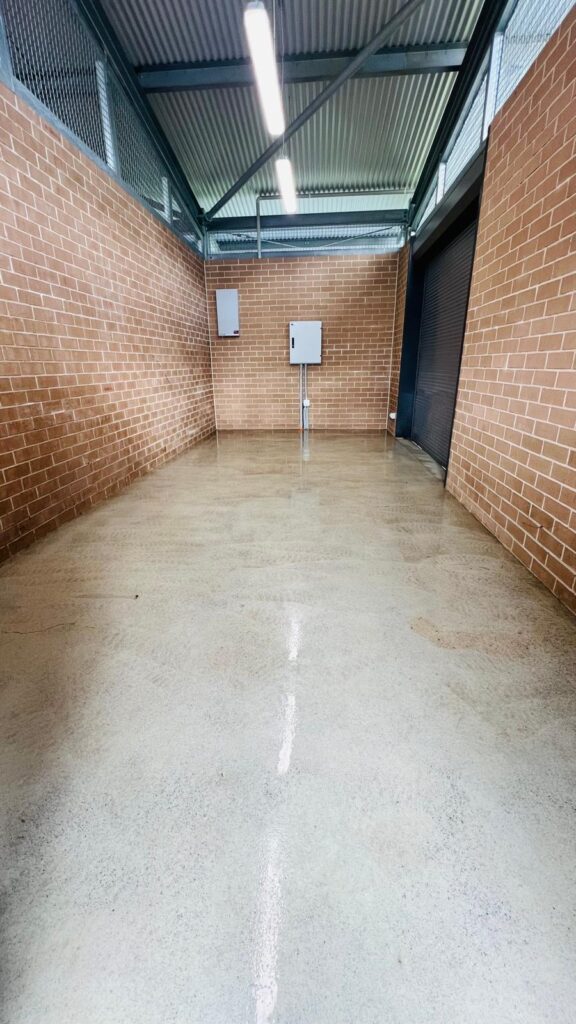
Warehouse floors take a beating and are often disregarded. Forklifts, foot traffic, and spills all leave marks. Hence, dirty floors aren't just ugly. They're dangerous.With that, use industrial tools for sweeping, vacuuming, or scrubbing, if possible, for floor cleaning or vacuuming. Manual mopping works for small areas, but larger spaces need power resources.Then, clean spills immediately. Don't wait until the end of the shift. Besides, it only takes seconds to prevent slips and the risk of accidents.
Pay close attention to:
Oil or chemical spills
Broken glass or debris
Dust buildup near the racking
High Pressure Cleaning for Increased Productivity
Sometimes, basic sweeping isn't enough. Grime can settle into concrete over time. That's where high-pressure cleaning comes in.Use pressure washers on loading docks, walls, and exterior walkways. These machines deal with and blast away stubborn dirt quickly.However, before using one, you must first remove loose debris. Otherwise, you'll just spray it around, and it might damage quite a few spots. Also, check the surface type. Not all areas can handle strong pressure, so you need to be careful, too.
High and Low Deep Cleaning
Don't just look at eye-level surfaces when cleaning your warehouse. Dust collects on overhead pipes, lighting, and beams. So, when it falls, it ruins what you've already cleaned. In the end, you will have to do over and waste energy on cleaning the same spot twice.At floor level, focus on corners and behind equipment. These are spots people often skip. Over time, they become dirt traps.It would be best to schedule monthly cleanings for high surfaces. You can also use extendable tools or hire a cleaning service with proper safety gear.
Maintain Equipment Hygiene
Your machinery needs cleaning too. That's because dirt buildup reduces performance and increases wear. Forklifts, conveyors, and tools should be wiped down regularly.Disconnect and lock out equipment before cleaning. Use non-corrosive cleaners to avoid damage. Keep tools stored properly because a messy tool bench slows down everyone.
Don't forget:
Battery compartments
Wheels and casters
Control panels
Keep the Air Clean
Warehouses generate a lot of dust. Moving pallets, cardboard boxes, and machinery all contribute to the dusty warehouse. Thus, this affects air quality and employee health.So, for that, you have to use industrial air filters and replace them often. You can also install air curtains near doors to keep outside dust from blowing in.Another thing, train your staff to report unusual smells or air quality issues. Ventilation should be a top priority, not an afterthought.
Set Up Waste Management Stations
Overflowing bins are a sign of a poor waste management system. So, place trash and recycling bins in key locations. Make them accessible to people, but ensure they are still out of the way.You need to secure and label everything. Use different colors for general waste, recyclables, and hazardous materials. This prevents mix-ups and keeps the disposal clean.Don't forget to empty the bins daily. Even if they're not full. Regularity prevents odor and pests.
Use Safe, Industrial-Grade Cleaners
Don't grab the cheapest product off the shelf. Use the cleaning products and supplies for the right job. Some messes need degreasers, while others just need water and soap.Always check safety data sheets (SDS) before using chemicals. Store cleaners in labeled containers away from work areas.Also, make sure your staff knows how to use them. A quick training session can prevent a costly mistake.
Train Your Team
Even the best plan fails without teamwork. Every staff member should know the cleaning protocol. Train new hires during onboarding.Regularly remind your team of cleaning expectations. Post checklists in break rooms or near time clocks.Consider a reward system for keeping stations tidy. Remember, a small incentive can lead to big improvements.
Don't Ignore the Exterior
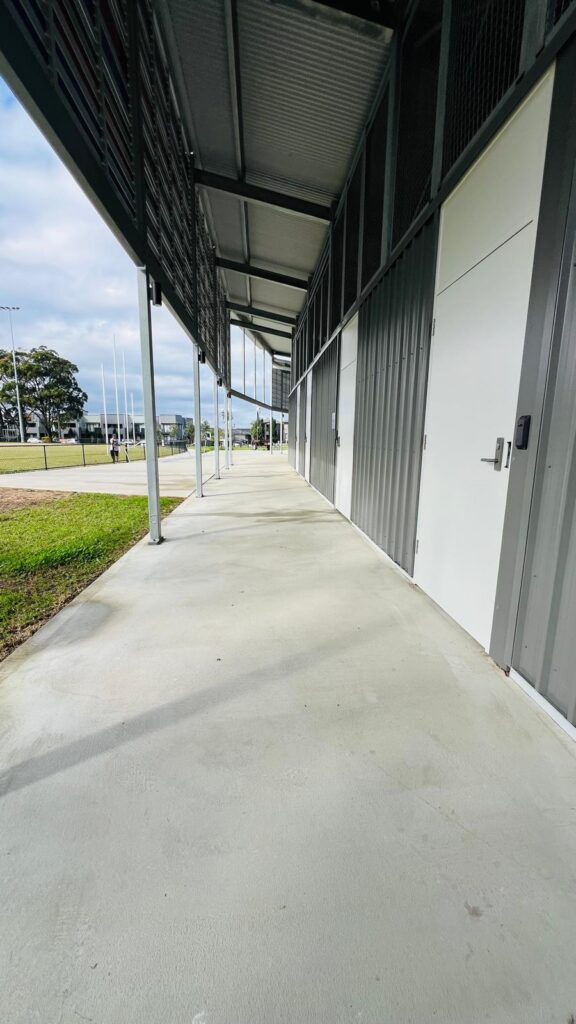
Your loading docks, exterior walls, and entrances set the tone. Dirty exteriors bring in dust and pests. They also look bad to clients or inspectors.For this, use high-pressure cleaning for sidewalks, exterior doors, and dock bumpers. Trim weeds and remove trash from outside areas regularly.Clean gutters and downspouts quarterly. Clogged drains can cause water damage inside your facility.
Consistency Beats Perfection
You don't need a spotless floor every hour. But you do need consistent effort. A little every day goes further than a deep clean once a month.Make cleaning a habit. Integrate it into your workflow. When everyone does their part, the entire facility benefits.
Outsource Cleaning Services When Needed
Sometimes, your team just doesn't have the time or tools for warehouse deep cleaning. In that case, bring in professionals like Yahweh Property Care for the best warehouse cleaning services.Their professional warehouse cleaners move quickly and know how to handle industrial environments. They are certified, skilled, and insured. In addition, their best cleaners offer a reliable cleaning method that fits specific needs.Also, their technologyoperations and different types of techniques surely bring satisfaction to a lot of customers.Outsourcing helps when you are in areas that need specialized equipment. Also, they handle large-scale stains or grime. Professionals can also accommodate you when preparing for inspections.
Key takeaways:
Make flexible cleaning schedules and stick to them
Declutter first, clean second
Focus on floors, air, and hard-to-reach areas
Train your team and hold them accountable
Don't be afraid to outsource for big jobs
Use the right tools, especially pressure washers, for deep cleaning
In Summary
Warehouse industrial cleaning doesn't have to be overwhelming. You just have to stick to the basics without overdoing the cost.Always remember to clean smart, not hard. A clean warehouse is safe and efficient. And in today's fast-paced logistics world, that gives you a real edge.




 1300-925-355