
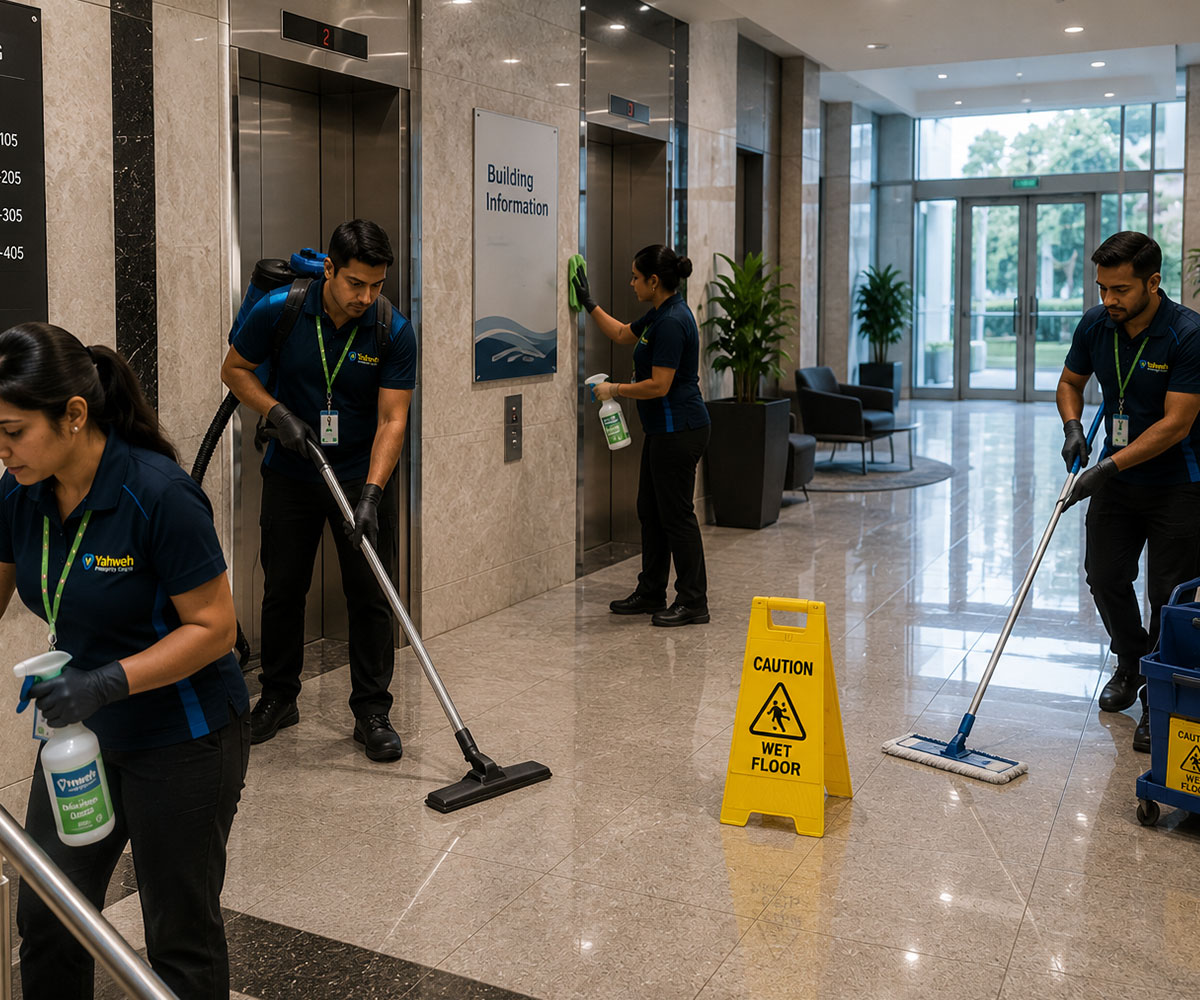
A cleaning machine finishes its route through an office, but muddy footprints have appeared near the entrance. Upstairs, a washroom needs soap. Neither problem can wait until tomorrow simply because the scheduled work is complete.
This is where Smart Cleaning Technology becomes useful. Connected equipment and digital tools can help cleaning teams spot changing needs, organise their work and check what has been completed.
For Sydney homes and businesses, the future of professional cleaning involves choosing tools that solve everyday problems and giving trained people the information and time to respond.
Not every smart cleaning tool is a robot. You might have an app keeping track of the cleaning schedule, or a machine that uses sensors to work out where and how to clean. Examples include robotic floor cleaners, occupancy sensors, connected dispensers and digital task records.
They do different jobs. A robotic floor cleaner actually moves around the space and cleans the floor. A dispenser sensor reports when supplies need attention. A reporting app allows someone to flag a spill without searching for the building manager.
Those differences matter when comparing services. Ask what a particular system does and how it improves the work at your property. The word “smart” alone says little about the result.
Robotic vacuums and scrubbers can handle repetitive floor cleaning across suitable areas. Long corridors and open floors offer different opportunities from crowded rooms with furniture that moves throughout the day.
Before introducing a machine, the cleaning provider needs to assess the layout, floor finish and normal movement of people. The route must also account for obstacles and areas the equipment cannot reach.
There is still work around the machine. Someone needs to prepare it, maintain it and check the finished floor. Corners or missed patches may require manual attention.
A useful trial takes place under normal working conditions. Watch how the equipment handles the actual premises, then compare the result with the previous method.
A timetable cannot always predict how busy a building will become. An unexpected event might fill meeting rooms and put extra pressure on nearby washrooms.
Occupancy sensors can provide activity information that helps teams adjust their rounds. Connected dispensers can also report supply levels, allowing replenishment before users encounter an empty unit.
The information needs interpreting. A low visitor count does not prove that a room is clean, and a busy room does not reveal exactly what needs doing.
Keep routine inspections alongside alerts. Sensors can point cleaners towards an area; checking that area establishes the work required.
Some of the most useful improvements happen at the cleaning cupboard.
Dosing equipment measures concentrated products rather than leaving each worker to estimate the amount. Suitable systems can make preparation more consistent and reduce unnecessary product use.
However, the correct setting depends on the product and its intended application. Equipment must be compatible with the chemical, and staff still need to follow the manufacturer’s instructions.
This is worth discussing when a provider talks about sustainability. Ask how products are measured and how waste is managed. A specific explanation of working methods is more informative than a general promise about greener cleaning.
A digital checklist can show which tasks were recorded as complete. An issue report can identify a damaged fitting or a room that could not be accessed.
The next step is deciding who responds. If a cleaner reports a leak, somebody needs to receive that information and arrange attention.
Before introducing a reporting system, agree on responsibilities and response arrangements. Keep entries brief enough that workers can complete them properly without losing excessive cleaning time.
Photographs also need care. Avoid including private documents, computer screens or personal belongings unnecessarily. Ask who can access the records and how long they are retained.
Technology does not change the distinction between cleaning and disinfecting.
Cleaning removes dirt and many germs using an appropriate product and physical action. Disinfection uses a suitable product to kill remaining germs where that additional step is needed.
For disinfectants, the label specifies the application method and contact time. Wiping a surface dry too early can undermine the process. Surface compatibility and ventilation also need attention.
Equipment hygiene belongs in the routine, too. A dirty cloth can end up spreading the mess from one area to another. Cleaning tools need washing, proper storage and regular upkeep to stop that happening.
A completed checklist cannot establish that these steps were followed correctly. Training, supervision and practical observation remain necessary.
Before paying for new technology, identify the problem you want resolved. Perhaps supplies repeatedly run out, floor work is inconsistent or reported issues disappear without follow-up.
Then choose a few useful measures. Track supply shortages, inspect recurring trouble spots or record how quickly urgent requests receive attention.
Include maintenance and training in the assessment. A machine that spends long periods awaiting repair may add little value, even if its demonstration was impressive.
Smaller properties may need only a clear schedule and an easy way to communicate changes. Investment should reflect the workload.
Yahweh PC provides residential and commercial cleaning services in Sydney. Describe your property and the problems you want addressed, then ask which methods and equipment suit the work.
Confirm what is included in the proposed service and how quality will be checked. If a particular technology interests you, ask whether it is available and appropriate for your premises.
The goal is a reliable service whose results you can see and whose working methods you understand.
Robotic cleaners, sensors, connected dispensers, dosing equipment and digital reporting tools are examples. Some take care of the actual floor cleaning, while others help staff plan their visits and keep the work organised.
A floor-cleaning robot should not be assumed to disinfect surfaces. Its capabilities depend on its design, approved products and operating instructions.
Some tools can suit residential properties. In a cluttered home, there may not be enough room for the equipment to move around properly. Whether it's worth using also comes down to what needs cleaning and how the household runs from day to day.
Occupancy and dispenser sensors generally measure activity or supply information. Those readings do not establish whether a surface is free of germs.
Ask which problem the proposed equipment solves, who maintains it and how the cleaning result will be checked.


 1300-925-355