The Link Between Cleaning and Mental Health
June 10th, 2025
Your environment affects your mind more than you think. When your house, office, or business premises are clean and organized, your brain feels calmer and more in control. On the flip side, clutter creates chaos, not just visually but emotionally.
So how is
cleaning habits associated with your overall
well being?
Why Mess Makes You Stressed
A messy room isn't just unpleasant to look at. It triggers mental stress levels. Why? That’s because your brain processes every item in your field of vision. When there's too much stuff, your brain gets overloaded. It becomes harder to relax when your surroundings constantly remind you of an unfinished particular task and to do list.
In fact, clutter is often linked to:
- Increased cortisol (the stress hormone)
- Trouble focusing
- Poor sleep
- Low motivation
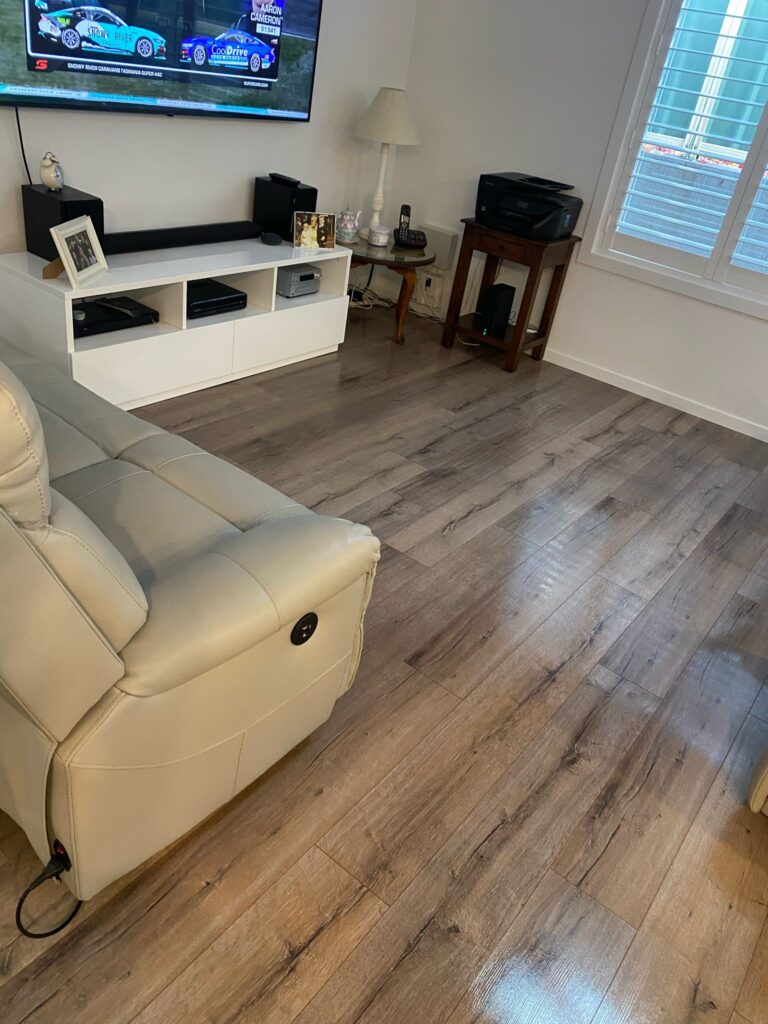
A Clean Environment Allows You To Gain Control
When life feels out of control, cleaning is something you can manage. It can be your way for stress management.
Of course, you may not be able to fix everything happening in your life, but you can scrub your kitchen. That action alone brings a sense of order.
Even small cleaning tasks like making your bed, washing a sink full of dishes, and wiping down counters make a difference. Hence, it can make you feel productive. And that productivity gives you a mental boost.
A Clean and Organized Home Reduces Anxiety
Also, if you have anxiety, cleaning can act like a natural form of therapy. Finishing a cleaning task gives you an immediate reward. You can get a neat and comfy space. In line with that sense of achievement, it offers unimaginable benefits. These include breaking the loops of anxious thought and shifting your focus away from negative thinking.
In addition, offers structure and routine since physical activity or bodily movement helps burn off nervous energy. Meaning, it has a direct impact in your physical health
Depression and Cleaning Struggles
Now, let's be clear—when you're depressed, even the smallest and easiest task can feel like a complicated task. Cleaning isn't a cure for depression, but it can help improve your environment so your depressive symptoms don't get worse.
Start small and pick one corner. Then , after that clear just your nightstand or fold one blanket. Clearly, little wins count. Eventually, cleaning becomes easier when you stop viewing it as a huge task and instead break it into small, doable actions.
Since you are full of
negative emotions, the cleaning process can provide an improved focus and mental resilience. These positive effects will surely take care of the overwhelming day.
Cleaning Can Be Meditative
Repetitive actions like vacuuming, folding laundry, or sweeping have a rhythm. That rhythm creates a calming effect on your brain. You might even enter a "flow" state, where time passes, and your mind feels quiet.
This type of mindful cleaning helps you stay present. You're not worrying about the future or dwelling on the past. You're just wiping a mirror, folding a towel, or rinsing a plate.
And sometimes, that's all you need to encourage yourself to have positive emotions. You will never know how much cleaning can contribute to the wellness of your mental space.
Clutter and Decision Fatigue
Here's something people don't always talk about: clutter drains your mental energy. The more stuff you see, the more decisions your brain has to make.
That explains why you often constantly ask yourself, Do I keep this? Where should this go?
Should I clean that now or later?
According to a mental health professional, your brain gets tired from all these micro-decisions. But when your space is clean and simple, your mind rests.
How to Use Cleaning as Mental Self-Care
Not all cleaning has to be a deep clean. You don't need to scrub baseboards every weekend to feel better. Instead, use cleaning as a form of self-respect and routine.
Try these tips:
Set a timer - Clean for just 10–15 minutes. That's enough to reset your cluttered space or cluttered environment.
Create zones - Focus on one area a day. Bedroom on Monday, bathroom on Tuesday, etc.
Use music or podcasts - Make cleaning feel less like a chore and more like a break.
Reward yourself - After you secure a clean house, enjoy a treat. Maybe a snack or a walk outside.
The Emotional Weight of Objects
Sometimes, clutter sticks around because of emotional attachment. You don't want to throw out your high school sweatshirt or your kids' old toys. However, in most instances, letting go of items can be healing. You're not erasing memories—you're creating space for your present life.
But before you let go, ask yourself: Does this item make me feel good? Is it helping me move forward? By asking these questions, you will be able to find it.
Cleaning Schedule and Sleep
A quick tidy-up before bed—like putting away laundry or clearing your nightstand—can improve your sleep. A clean room signals to your brain that it's time to wind down.
Yes, even your sleep is affected by clutter. Studies have shown that messy bedrooms are linked to trouble falling asleep, poor sleep quality, as well as more nighttime anxiety.
When Cleaning Becomes a Coping Tool
Now, some people clean too much to manage stress. If you find yourself scrubbing surfaces obsessively to avoid feelings or anxiety, take a step back.
Cleaning should help you cope, not become a coping mechanism you rely on constantly. If cleaning feels compulsive, it might be helpful to speak to a therapist or licensed psychologist
. There's a difference between helpful routines and unhealthy patterns.
But overall, a
clean home helps release endorphins and allows you to
de stress..
It's Not About Perfection
Don't aim for a spotless result at one go. Instead, aim for a better outcome. A tidy-ish space is enough. You're not being graded. You're just creating an environment that helps you function and feel a little lighter.
Also, forget what you see on Instagram. Real homes have crumbs on their kitchen counter, laundry piles, and dusty corners. Home clean goal isn't a showroom. Instead, it's peace of mind and taking control
.

Hiring Professional Cleaners
With a lot of things going on in your life, you might deal with stress differently. Yes, you can clean your place. However, there will always be that moment when you can't function due to mental and emotional exhaustion.
So thankfully, there is a solution to that. At this point, hiring professional cleaners, like Yahweh Property Care is the best option.
Not only will you save time and energy on cleaning. But also, you won't have to put too much pressure on thinking about the tasks you need to do. You can let the professionals do the job for you while you focus on your emotional and mental healing.
Besides, it would feel good to take time with a clean and comfortable living environment. So, always incorporate cleaning even if it's just a quick dust removal or changing for clean sheets.
Final Thoughts
Your space reflects your state of mind—and can also shape it. Cleaning your entire house won't solve every problem, but it's a powerful tool in your mental health toolbox.
Remember, clutter creates stress, but cleaning restores calmness. So, start cleaning because small efforts lead to big shifts.
So, next time you feel mentally stuck, grab a cloth or a vacuum and clear a small space. You might be surprised how much lighter you feel afterward.




 1300-925-355